John Rocker
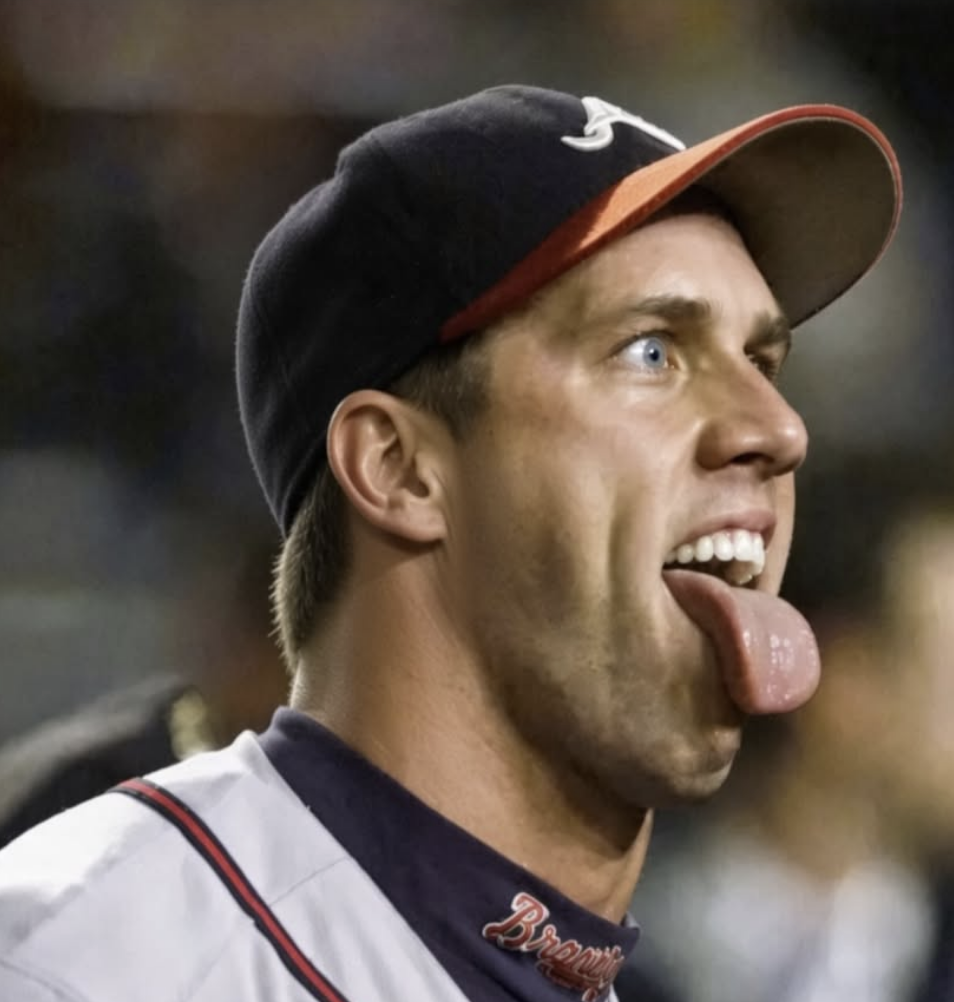
Image Source: OleMurica Sports, https://www.instagram.com/p/DcJo120itt4/
What was the Accusation?
Atlanta Braves relief pitcher John Rocker became the subject of national controversy in December 1999 after Sports Illustrated published Jeff Pearlman’s profile, “At Full Blast.” During the interview, Rocker made derogatory comments about gay people, people with AIDS, immigrants, racial and ethnic minorities, and residents of New York City. He also mocked Asian women and used an offensive description of Braves teammate Randall Simon. The remarks transformed what began as a discussion of Rocker’s hostility toward New York baseball fans into a broader controversy about prejudice, professional conduct, and the responsibilities of prominent athletes.
Rocker initially apologized after the Sports Illustrated article appeared, but he also maintained that he was not racist and said the comments did not accurately represent him. During a January 2000 ESPN interview, Rocker acknowledged that someone hearing similar remarks could reasonably conclude that the speaker sounded like a “complete jerk.” He again apologized to people he had offended while continuing to deny that he was racist. Rocker subsequently met with baseball legend Hank Aaron and former Atlanta mayor and civil-rights leader Andrew Young as criticism of his comments continued.
Major League Baseball Commissioner Bud Selig disciplined Rocker on January 31, 2000, suspending him through spring training and for the first 28 days of the regular season, fining him $20,000, and ordering him to undergo sensitivity training. The Major League Baseball Players Association challenged the punishment through the league’s grievance process. Independent arbitrator Shyam Das subsequently reduced the regular-season suspension to 14 days, reduced the fine to $500, and allowed Rocker to participate in spring training while leaving the sensitivity-training requirement in place.
On March 2, 2000, Rocker rejoined the Braves at spring training in Florida and delivered a prepared public statement. He said that reading the Sports Illustrated article had made him recognize several ways in which his comments had hurt other people. He apologized to children and families for his language, apologized to people affected by what he called his careless and unkind words, and apologized to Braves management, manager Bobby Cox, and his teammates for the disruption he had caused. At the same time, Rocker explicitly denied being racist and cited his friendships and living arrangements with people from different ethnic and national backgrounds as evidence supporting that denial. He concluded that an apology meant little without subsequent action and expressed hope that he could redeem himself through his future conduct.
Rocker’s return to the clubhouse demonstrated that the controversy extended beyond public criticism. Several Braves players and coaches questioned him directly about his remarks, and Rocker separately sought forgiveness from Simon. Contemporary reporting described Rocker as remorseful during the private clubhouse meeting, although questions remained about whether his public explanations fully addressed the substance of his earlier comments. When Rocker returned to New York later that season, he issued another statement acknowledging that his comments had offended people and apologized again while continuing to argue that he had been misjudged.
Key Apologia Strategies:
Mortification, Denial, Bolstering, Defeasibility, Corrective Action
Video
N/A
Transcript