Public Apology Central
An educational archive of public apology, image repair, and apologia.
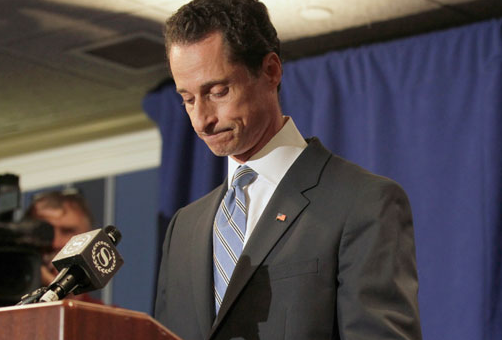
“To err is human, to err in public humiliating.” Paul Slansky, author of My Bad: The Apology Anthology
What Is Public Apology Central?
Public Apology Central is the web’s best source for crisis summaries, transcripts, videos, and audio of public apologies, also known as apologia. The archive includes cases involving politicians, celebrities, athletes, corporations, religious leaders, media figures, heads of state, and lay citizens. The site is designed for students, teachers, researchers, journalists, and anyone interested in how people and organizations respond when accused of wrongdoing.
What Is Apologia?
Apologia refers to persuasive defense. It includes a variety of image repair strategies used by people and organizations accused of harmful acts, including denial, shifting blame, minimization, corrective action, bolstering, and mortification. This site deals with public defense broadly, not simply apology in the narrow sense of taking responsibility or saying “I’m sorry.”
Explore the Site
Apologia Archive
Browse public apology cases by category, including politics, sports, corporate crises, celebrity scandals, religion, media, and more.
For Educators
Find teaching materials, assignments, quizzes, video resources, discussion guides, and classroom activities related to image repair and public apology.
Apologia Terminology
Review key concepts used in the study of image repair, persuasive attack, and antapologia.
Apologia in the Movies
View film clips that help students identify image repair strategies in familiar movie scenes.
References
Explore scholarly references on apologia, image repair, kategoria, and antapologia.
Patterns of Apologia
Learn common patterns that appear across image repair efforts contexts.
Educational Purpose
Public Apology Central is strictly for educational purposes and is not operated for profit. The site highlights the rhetorical strategies employed by people and organizations accused of harmful acts. The site creators make no claims about the guilt or innocence of those accused of wrongdoing. The goal is to help people better understand public accusation, public defense, apology, image repair, and the rhetorical choices speakers make during moments of crisis.