Sears Auto Centers
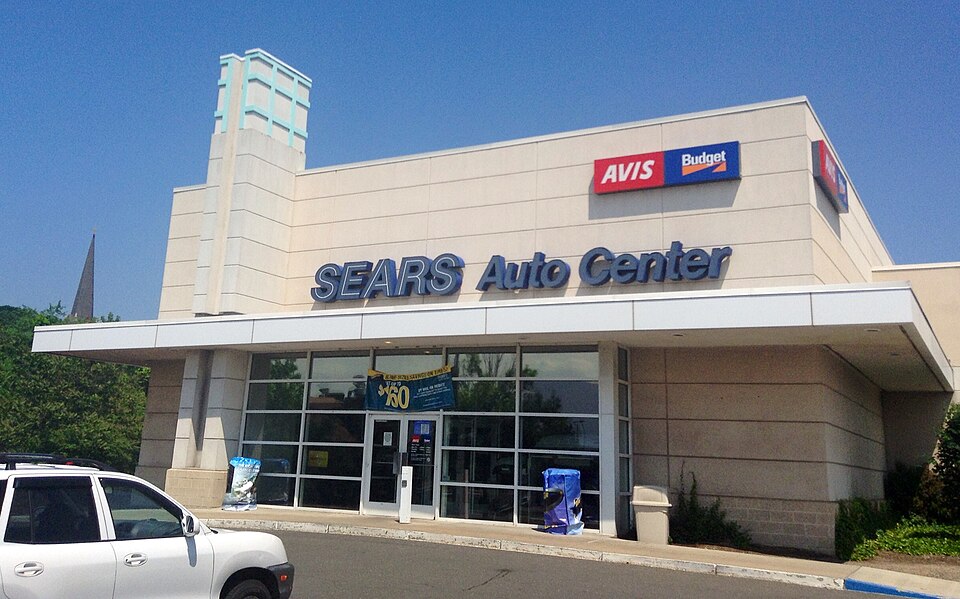
Image Source: Mike Mozart from Funny YouTube, USA, CC BY 2.0, via Wikimedia Commons
What Was the Accusation?
In June 1992, Sears, Roebuck and Co. faced allegations that employees at its automobile repair centers were systematically recommending or performing repairs that customers did not need. California’s Department of Consumer Affairs and Bureau of Automotive Repair had conducted an extensive undercover investigation in which state agents brought vehicles to Sears Auto Centers for inspection and service. Contemporary reports differ slightly on the number of undercover visits, describing either 37 or 38 cases, but both reported that investigators found allegedly unnecessary work in 34 of them. State officials said the vehicles generally required only minor brake work or had components that were otherwise in good condition, yet Sears employees frequently recommended additional repairs involving items such as shock absorbers, springs, brake calipers, master cylinders, idler arms, and wheel alignments. California officials sought to revoke or suspend the repair licenses of Sears’ automotive centers throughout the state.
The accusations focused not only on individual repair recommendations but also on Sears’ management and compensation practices. Investigators alleged that automotive employees were expected to meet sales goals for particular parts and services and that service advisers received compensation tied to the amount of automotive work they sold. California officials argued that these incentives placed pressure on employees to recommend unnecessary work. Sears initially rejected the allegation that it had engaged in systematic fraud. The company maintained that its repair policies emphasized customer safety and preventive maintenance, including recommending replacement of worn parts before they failed. Sears also argued that regulators were treating legitimate preventive maintenance recommendations as unnecessary repairs. The controversy soon spread beyond California. New Jersey investigators reported problems at several Sears locations, and Florida authorities also opened an investigation, although New York regulators said they had not found evidence of widespread misconduct in their state.
Sears’ response changed substantially as the controversy intensified. Chairman and Chief Executive Officer Edward A. Brennan first acknowledged that mistakes might have occurred while denying that Sears would intentionally violate the trust of its customers. On June 22, Brennan announced major changes to the company’s automotive compensation practices. Sears eliminated commissions for automotive service advisers, discontinued product-specific sales goals, placed advisers on salary, and said future incentives would be tied more closely to customer satisfaction. The company also announced that an independent organization would conduct unannounced inspections of its auto centers. Brennan maintained that Sears had not uncovered evidence of systematic intentional overcharging, but conceded that its incentive system had created conditions in which mistakes or abuses could occur. Sears then launched a national advertising campaign in which Brennan addressed consumers directly and emphasized the company’s commitment to restoring customer confidence.
The dispute ultimately resulted in settlements and restitution measures. In July 1992, Sears reached an agreement with New Jersey officials involving compensation and funding for consumer-protection efforts. On September 2, Sears announced a broader settlement involving state attorneys general and a nationwide restitution program for qualifying automotive customers. Sears offered $50 merchandise or service coupons for certain repairs performed during the period covered by the investigation and provided a process for customers who believed their losses exceeded the coupon amount to seek additional reimbursement. California’s agreement also required Sears to reimburse investigation costs, contribute money to automotive training programs, and operate its California auto centers under a period of probation. Sears continued to deny intentional wrongdoing or legal liability while expressing regret for mistakes and inconvenience. The case became an important example of corporate image repair because the accusation directly challenged one of Sears’ most valuable reputational assets: the public trust associated with a company that had served American consumers for more than a century.
Key Apologia Strategies:
Denial, Corrective Action, Bolstering, Attacking the Accuser
Video
N/A
Transcript
Initial Statements from Sears’ Attorney:
“Sears interviewed all employees involved in the controversial repairs and is satisfied that there is no wrongdoing.”
“Mr. Conran had attacked Sears in response to bipartisan efforts to eliminate his department because of the state’s budget crunch. He is garnering as much publicity as he can as quickly as he can.”
Edward A. Brennan First Letter to Sears Customers — Excerpts:
“With over 2 million automotive customers serviced last year in California alone, mistakes may have occurred.”
“Sears has been providing customer satisfaction in auto repairs for over 60 years. In addition to our own extensive training program, our technicians have over 14,000 Automotive Service Excellence (ASE) certifications.”
“Sears hallmark has always been Satisfaction Guaranteed or Your Money Back. We will do our utmost to resolve any concerns you may have.”
“Sears wants you to know that we would never intentionally violate the trust customers have shown in our company for 105 years.”
“With over 2 million automobile customers serviced in California alone, mistakes may have occurred.”
Edward A. Brennan Second Letter to Sears Customers — Excerpts:
“Our Auto Center customer satisfaction rate is among the highest in the industry.”
“75 percent of the consumers we talked to in a nationwide survey last week told us that auto repair centers should recommend replacement parts for preventative maintenance.”
“I do not believe there were any willful overcharges in California.”
“To guard against such things happening in the future, we’re taking significant action: 1) elimination of commission sales and sales quotas (called “incentive compensation and goal-setting systems”), 2) use of an independent watchdog to check their auto repair centers, 3) invitations to states’ attorneys general to review Sears auto-repair practice, and 4) organization of an industry standards workgroup.”
Edward A. Brennan Announcement of Automotive Policy Changes (June 22, 1992) — Excerpt:
“It seems to me our incentive compensation programs created a wide opportunity for mistakes to be made.”
Sears National Advertising Campaign (June 1992) — Excerpt:
“We at Sears are totally committed to maintaining your confidence. You have my word on it.”
Charles F. Moran, Sears Chief Administrative Officer, on the Nationwide Settlement (September 2, 1992) — Excerpt:
“While we regret any mistakes and inconveniences to customers that occurred, they were not intentional.”
Sources
Benoit, W. L. (1995). Sears’ repair of its auto service image: Image restoration discourse in the corporate sector. Communication Quarterly, 46, 89-105.
Related Apologia Cases
Readers interested in this corporate apologia case may also want to review: