Danielle Jensen, Southern Utah University Volleyball
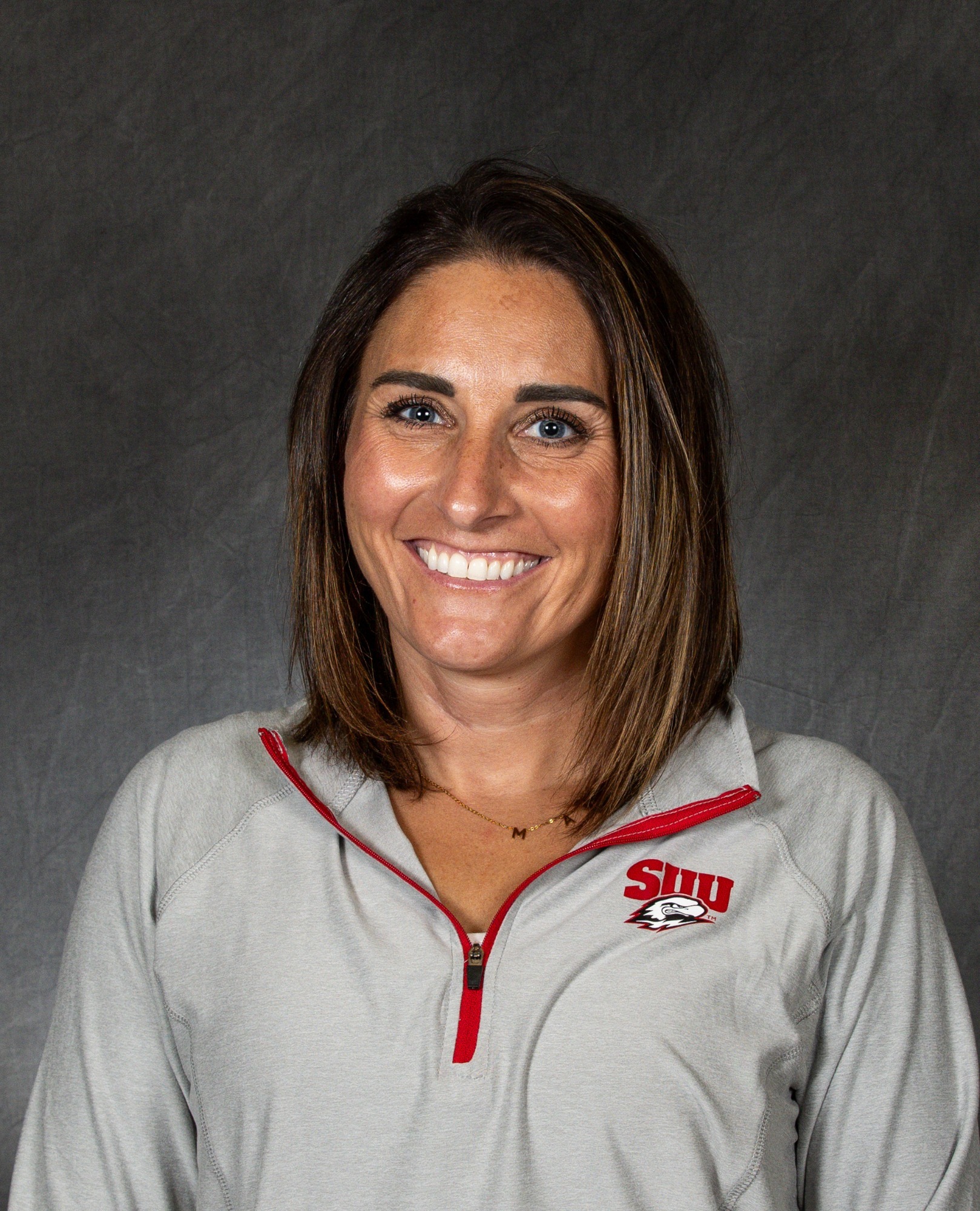
Image Source: Official photo from Southern Utah University Volleyball website
What Was the Accusation?
Southern Utah University volleyball coach Danielle Jensen faced complaints about her coaching during the 2026 season. The allegations included abuse, retaliation, and violations of NCAA practice-time rules. According to an October 26 report by Volleyball On SI, 15 of the team’s 17 players complained to university administrators. Players and parents raised concerns about athletes’ treatment, meals, practice schedules, and injuries. They also described possible retaliation against athletes who spoke up. However, the accusations remained disputed, and the university reportedly began several reviews.
On November 11, Southern Utah completed its review of the abusive-coaching allegations through the Office of the Dean of Students. Volleyball On SI later reported the findings. Investigators rated four categories as “not likely”: physical contact, psychological abuse or humiliation, inappropriate language or harassment, and abuse of authority. They also found that a sexual-misconduct category did not apply. Athletic Director Myndee Kay Larsen accepted the finding that Jensen had not violated the university’s abusive-coaching policy. Nevertheless, the report identified coaching behaviors that needed correction or mentoring. The review did not settle every separate concern about NCAA rules, civil rights, or retaliation.
According to the outlet, investigators also concluded that two complainants likely worked together to seek Jensen’s removal. The report suggested that they may have encouraged fabricated testimony. These were reported investigative findings, however, rather than court rulings about the athletes’ conduct.
On November 13, Jensen posted a lengthy Facebook statement defending her integrity and commitment to the program. She cited the findings and criticized parts of the media coverage. Although Jensen acknowledged her demanding coaching style, she denied that it was abusive. She also argued that high expectations and disputes over playing time differ from policy violations.
Key Apologia Strategies:
Denial, Bolstering, Attacking the Accuser, Differentiation
Video
N/A
Transcript
Danielle Jensen’s Facebook statement (November 13, 2026):
Over the past several months, my character, my coaching career, and my integrity have been publicly questioned. Allegations were made, stories were published, and opinions were formed before the investigative process had concluded. Throughout this experience, I have remained largely silent, allowing the process to take its course. Today, I believe it is important to share the facts and finally have an opportunity to speak for myself.
Today, Southern Utah University completed its formal investigation into allegations of abusive coaching practices brought against me by two complainants. The investigation was conducted by the University’s Office of the Dean of Students, independently of SUU Athletics, under University Policy 12.3. Investigators reviewed witness testimony, statements from the complainants, and additional evidence before issuing their findings.
The official investigative report determined in the that abusive coaching was NOT Likely in every applicable category examined. These findings included allegations of harmful or offensive physical contact, psychological abuse and public humiliation, inappropriate language and harassment, and abuse of authority, trust, or coercion. Importantly, NOT Likely was the determination issued in every applicable category, and the report’s overall conclusion was Likely NOT Abusive Coaching. These findings represent the investigation’s determination that the allegations of abusive coaching were not supported under the applicable preponderance-of-the-evidence standard.
Southern Utah University’s Athletic Director formally accepted these findings and confirmed that my conduct did not violate the University’s policy regarding abusive coaching.
But there is another important part of this investigation that deserves to be acknowledged.
The investigative report concluded it IS likely that both complainants coordinated efforts to attempt to force my termination. It further concluded that they likely encouraged the fabrication of witness testimony and coordinated efforts to use the media to manipulate the outcome of the investigation. The report also identified contradictory, unsubstantiated, or inconsistent testimony and found that one complainant’s involvement was likely primarily motivated by dissatisfaction with playing time.
These are not accusations I am making in retaliation. They are conclusions documented by the investigators after reviewing testimony, interviews, recordings, and other evidence.
I want to be very clear: Every student-athlete deserves to be heard, treated fairly, and provided a safe environment. Legitimate concerns should always be taken seriously. However, there is a significant difference between holding athletes accountable to high expectations and engaging in abusive coaching. There is also a difference between an athlete being unhappy with playing time, coaching decisions, or team expectations and a coach violating university policy.
Throughout my coaching career, I have expected discipline, accountability, effort, and a commitment to something bigger than oneself. I recognize that my coaching style is demanding, and I am always willing to learn, improve, and grow as a leader. But I will not apologize for expecting athletes to work hard, follow team rules, respect their teammates, and earn their opportunities on the court.
Playing time and lineup decisions are responsibilities entrusted to a coaching staff. Those decisions are not always popular, but they are made in what we believe to be the best interest of the team. College athletes also have opportunities to pursue a different program, including through the transfer process, when an environment is not the right fit. Choosing to remain on a team does not invalidate someone’s concerns, but dissatisfaction with a coaching decision does not, by itself, constitute abuse.
Some of the most troubling public accusations concerned the health, safety, and nutrition of our athletes. Our program has provided scheduled meals, food during travel, and access to snacks, and we have worked with our athletic training professionals regarding injury management and medical clearances. The investigation reviewed these concerns and found that the allegations did not establish abusive coaching. Athlete well-being has always mattered to me, and it always will.
What has been most difficult throughout this experience is the effect it has had on my family. My husband, my children, and those closest to me have watched my name and reputation become the subject of public accusations. They have experienced the emotional toll of this process alongside me. No investigation can completely erase what it feels like to have your integrity questioned publicly, especially when those closest to you know the sacrifices you have made for the athletes and programs you love.
At the same time, I have been overwhelmed by the support I have received. Over one hundred coaches (some at the highest level of this sport) have reached out, many sharing their own experiences navigating difficult team dynamics, athlete expectations, and the challenges of coaching in today’s collegiate environment. Former players, parents, colleagues, friends, and fellow coaches have reminded me why I entered this profession in the first place. Their words have meant more than they may ever realize.
I also want to publicly express my gratitude for my assistant coach, Camber Dodson. Camber’s name and reputation were brought into the public allegations, yet she was never given the same opportunity to have her voice heard through this investigative process. She has endured the consequences of public accusations without the opportunity to defend herself in the same way. I value her dedication to our athletes and this program, and believe she deserves the same fairness, respect, and consideration that every individual should receive when their character and professional reputation are publicly questioned.
This experience raises important questions about responsible journalism. When allegations are published before an investigation is complete, the damage to a person’s reputation can be immediate and lasting. I respect the media’s responsibility to investigate legitimate concerns. But I also believe that responsibility includes fairly reporting evidence, context, and outcomes—even when those outcomes do not support the original narrative. The findings of an investigation deserve the same attention and effort as the allegations that prompted it. I ask the media outlets that reported the allegations against me to give these official investigative findings the same seriousness, visibility, and attention they gave the accusations.
I understand there may still be individuals who continue to share negative experiences, repeat allegations, or disagree with the findings. I cannot control their opinions or what they choose to say. What I can control is how I respond, how I continue to lead, and the integrity with which I move forward. I will not allow unsupported accusations or the opinions of others to define my character, my career, or the relationships I have built over years of coaching.
This team is filled with incredible talent and the potential to achieve a level of success this program had never experienced. I saw that potential. Our fans saw it. Even opposing coaches recognized it. Unfortunately, the division and hostility surrounding these allegations fractured the unity and trust necessary to turn that potential into reality. Perhaps the greatest tragedy is not what I have endured, but what these young women have lost. I will have many more years to coach, but their time as collegiate athletes is limited. They deserved the opportunity to experience what this team was capable of accomplishing together. Sadly, those opportunities can never be given back.
This has been one of the most challenging experiences of my professional life, but it will not be what defines me.
I remain committed to Southern Utah University and the community of Cedar City, to building a competitive volleyball program, and to developing young women who understand accountability, resilience, respect, and the value of being a great teammate. I know who I am, I know what I stand for, and I know the positive impact coaching can have on young people’s lives.
To my family, the many former athletes who have supported me, my coaching colleagues, current and past administrations, and everyone who has extended kindness and encouragement—thank you. Your support has strengthened me in ways I cannot adequately express.
I also want to express gratitude to my administrators, Myndee Kay and Todd Brown, for their support and leadership throughout this difficult process. Their professionalism, encouragement, and commitment to allowing the investigative process to unfold fairly have meant a great deal to me and my family.
I have chosen to let the investigation speak through its findings. Now I am choosing to move forward with faith, confidence, and an unwavering commitment to the profession and people I love.
— Danielle Jensen
Sources
Angus, M. (2026, October 26). Southern Utah volleyball faces multiple investigations after players allege abuse and retaliation. Volleyball On SI. https://www.si.com/onsi/volleyball/news/southern-utah-volleyball-faces-multiple-investigations-after-players-allege-abuse-and-retaliation-2026
Angus, M. (2026, November 15). Southern Utah volleyball investigation ends with findings that challenge players’ claims. Volleyball On SI. https://www.si.com/onsi/volleyball/college/southern-utah-volleyball-investigation-ends-with-findings-that-challenge-players-claims
Davis, P. (2026, November 10). SUU volleyball investigations eclipse 60 days; claims of retaliation, NCAA violations loom large. SUU News. https://suunews.net/2026/11/10/suu-volleyball-investigations-eclipse-60-days-allegations-of-ncaa-ferpa-title-ix-violations-loom-large/
Jensen, D. (2026, November 13). [Facebook statement regarding Southern Utah University’s abusive-coaching investigation]. Facebook. Full text supplied by the user; direct post URL not provided.
Related Apologia Cases
Readers interested in this sports apologia case may also want to review: